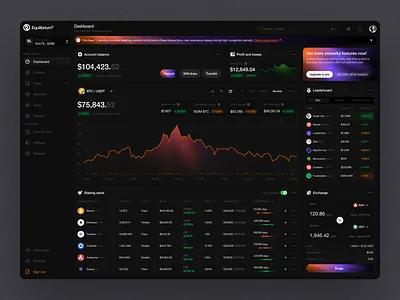

Understanding ETF數據接口 Basics
In the ever-evolving landscape of finance, the integration of technology has been revolutionary. From the inception of blockchain to the rise of decentralized finance (DeFi), financial systems are continuously innovating. At the forefront of these innovations is the concept of Application Programming Interfaces (APIs), specifically designed for Exchange-Traded Funds (ETFs) and mutual funds. This article delves into the fundamentals of ETF數據接口, their significance in trading, and the emerging trends that are shaping the future of ETF data access.
What are ETFs and How Do They Work?
ETFs are investment funds that are traded on stock exchanges, much like stocks. They hold assets such as stocks, commodities, or bonds and generally operate with an arbitrage mechanism to keep trading close to its net asset value, though deviations can occur. ETFs are popular due to their liquidity, cost-efficiency, and diversification, allowing investors to access a broad portfolio without managing individual holdings.
The funds operate through a system of creation and redemption of shares, which involves financial institutions that can create new ETF shares by contributing basket assets or redeem existing shares back for those assets. This process helps maintain the ETF’s price close to its net asset value (NAV).
The Importance of Real-time Data in Trading
Real-time data is a critical component in trading, especially for ETFs that can be influenced by multiple factors, such as market volatility, economic indicators, and news reports. Accurate and timely data allows traders and investors to make informed decisions, optimize their strategies, and manage risks effectively. With real-time reporting integrated into trading systems, market participants can react quickly to changes, essential in the fast-paced environment of financial markets.
Future Trends in ETF Data APIs
As the financial landscape continues to evolve, so do the technologies supporting trading activities. The integration of blockchain technology promises enhanced transparency and security for ETF trading. Additionally, advancements in machine learning and artificial intelligence (AI) are being leveraged to analyze vast amounts of financial data, giving traders sophisticated tools for predicting market movements. Consequently, the need for robust ETF data APIs that provide not just real-time pricing but also comprehensive historical data is becoming increasingly essential.
Best Strategies for Using ETF數據接口
Integrating Data with Trading Software
For any trader utilizing ETF data, the integration of data into trading software is paramount. Successful integration allows for automated trading strategies that can operate within predefined parameters. By leveraging APIs, traders can access live price feeds, and implement stop-loss and take-profit orders seamlessly within their trading platforms.
Using Historical Data for Effective Trading
Historical data plays an important role in building effective trading strategies. Traders can back-test their strategies using historical price data to understand the performance of their methods over different market conditions. Moreover, patterns derived from historical data can inform decisions such as entry and exit points in trading.
Maximizing Returns through Data Analysis
Data analysis using trading algorithms can help maximize returns on investments. By employing techniques such as technical analysis, which includes indicators like moving averages and relative strength index (RSI), traders can glean insights into market momentum. Additionally, fundamental analysis involving metrics like price-earnings ratios can help assess the value of underlying assets within ETFs.
Security Considerations for Data Access
Protecting API Keys and User Data
API security is a critical aspect that every user must prioritize. Since APIs serve as gateways to valuable financial data, they can also be targets for unauthorized access. As such, protecting API keys, adhering to best practices for authentication, and implementing role-based access controls can help mitigate security risks.
Common Security Threats and How to Avoid Them
Common security threats include phishing attacks, where malicious parties attempt to obtain sensitive information, and man-in-the-middle attacks that can compromise data integrity. To combat these threats, users should employ multi-factor authentication (MFA), ensure encrypted data transmission (e.g., using HTTPS), and regularly update their security protocols.
Best Practices for Secure API Integrations
When integrating with APIs, utilizing proper programming techniques such as input validation and using secure coding practices can help reduce vulnerabilities. Furthermore, conducting regular code audits and penetration testing to identify potential weaknesses in the integration can enhance overall security.
Comparing ETF數據接口 Providers
Evaluating Provider Data Accuracy and Reliability
With numerous API providers in the market, selecting the right partner requires careful consideration of data accuracy, latency, and service reliability. Traders should assess the provider’s history in maintaining data accuracy and reliability, including user feedback and system uptime metrics.
Pricing Strategies and Subscription Models
Understanding the price models of ETF data interfaces is essential for budget management. Providers often offer tiered pricing based on data access levels, with choices between free basic plans and premium subscriptions. Assessing the cost-benefit ratio of available plans can guide users towards the most appropriate service for their needs.
User Reviews and Community Trust in ETF APIs
User reviews and community feedback play a vital role in establishing the trustworthiness of API providers. Engaging with online communities, forums, and industry publications can provide insights into user experiences and validate provider claims related to data accuracy and responsiveness.
Future of ETF Data in Cryptocurrency Markets
Impact of Regulations on ETF Trading
The regulatory landscape is pivotal for cryptocurrency markets, significantly impacting how ETFs operate. Authorities like the SEC continue to scrutinize ETF offerings, ensuring that they meet compliance standards. Emerging regulations aim to provide a framework for investors, reducing risks associated with cryptocurrency trading.
Emerging Technologies for Enhanced Data Access
Emerging technologies such as artificial intelligence and machine learning are driving innovations in data access for ETFs. These technologies enhance the analytical capabilities of trading platforms, making it easier to access and interpret complex data sets. Consequently, investors gain a competitive edge by leveraging these advancements in their trading strategies.
Adapting to Market Changes with ETF數據接口
Market dynamics are continuously shifting, especially in the volatile environment of cryptocurrency. By relying on real-time ETF數據接口, investors can adapt to these changes efficiently, adjusting their portfolios and strategies in response to market trends.
What are Practical Use Cases for ETF Data APIs?
ETF data APIs are utilized across various sectors; from hedge funds using data for algorithmic trading strategies to retail investors exploring automated trading options. Entities can integrate these APIs to develop applications that provide real-time analytics, enhancing trading strategies and decision-making.
How Can Investors Benefit from API Data?
Investors benefit significantly from API data as it provides real-time access to market information which is essential for making timely investment decisions. The capacity to analyze and automate trading strategies can lead to enhanced returns, especially in fast-moving markets.
What Should Beginners Know About API Integration?
For beginners, understanding the basics of API integration is crucial. Familiarizing themselves with how to utilize APIs for data access will allow them to leverage the capabilities of diverse trading platforms effectively
Regulatory & Legal Compliance
In 2026, the regulatory landscape around ETFs, particularly in the cryptocurrency sector, is evolving. Investors must navigate a complex environment that includes compliance with SEC regulations, CFTC oversight on derivatives, and adherence to MiCA regulations in the EU. Additionally, KYC and AML requirements are crucial in ensuring legal compliance during trading operations.
Investment Disclaimers: This article is not financial advice; readers should conduct their own research (DYOR). Cryptocurrency investments carry considerable risks, including volatility and potential loss of capital. Historical performance doesn't guarantee future results. Invest only what you can afford to lose, and consult with a qualified financial advisor before making investment decisions.
Security Threats & Risk Management
Explain Common Security Threats
Understanding common security threats is essential for anyone engaging in trading activities. Phishing attacks, malware, and exit scams are prevalent risks in the crypto space. Users must remain vigilant and educate themselves on recognizing signs of malicious attempts to compromise their investments.
Provide Risk Mitigation Strategies
Implementing a list of risk mitigation strategies is essential for safeguarding assets. Regularly updating software, conducting due diligence before engaging with new platforms, and utilizing cold storage options for long-term holdings can enhance security.
Content Quality & Depth
The quality of content is paramount in the rapidly changing crypto environment. Providing technically accurate, clear, and verified information fosters trust among readers. Furthermore, creating actionable strategies that readers can implement empowers them to navigate the complexities of cryptocurrency trading.
Conclusion
As the world of finance continues to innovate, the importance of ETF數據接口 and the integration of real-time data cannot be underestimated. By understanding the dynamics of ETF trading, API utilization, and regulatory compliance, individuals and organizations can strategize effectively in an evolving market landscape. Always approach investment with caution and due diligence.