
Understanding Financial Data APIs and Their Importance
As the world of finance continues to embrace technological advancements, the role of financial data APIs becomes increasingly vital for developers, traders, and research institutions. These APIs serve as a bridge between financial markets and users, providing essential data that drives informed decision-making. With the integration of blockchain technology and cryptocurrency into traditional finance, the demand for real-time and accurate financial data is higher than ever. Platforms like iTick offer comprehensive data solutions that cater to various financial assets, empowering developers to build innovative trading tools and applications. When exploring options, 行情数据API对比 provides comprehensive insights that can greatly assist in making the right choices for your applications.
What are Financial Data APIs?
Financial Data APIs are application programming interfaces designed to enable developers to access and integrate financial data into their applications or platforms. These APIs streamline the process of retrieving data related to varying asset classes, such as stocks, forex, commodities, indices, and cryptocurrencies. With users able to access real-time data and historical statistics, financial data APIs have become indispensable tools for traders and investors looking to optimize their strategies and decisions.
Types of Financial Data: Forex, Cryptocurrencies, and More
Financial data APIs can cover a wide variety of asset types. The primary categories include:
- Forex: Real-time exchange rates and trading volumes for foreign currencies.
- Indices: Key market indices data, reflecting overall market performance.
- Equities: Stock prices, volumes, and corporate actions for public companies.
- Precious Metals: Market data for gold, silver, platinum, and other metals.
- Futures: Pricing and trading data for future contracts in various industries.
- Funds: Data tracking mutual funds and exchange-traded funds (ETFs).
- Cryptocurrencies: Prices, trading volumes, and market capitalization data for digital currencies like Bitcoin and Ethereum.
How API Performance Impacts Trading Decisions
For traders, the performance of a financial data API can significantly influence trading success. Key performance indicators include data latency, availability, and error rates. Latency refers to the time delay in data transmission, and lower latency can yield better trading outcomes, especially in high-frequency trading scenarios where milliseconds matter. Reliable APIs ensure consistent access to data, empowering users to make timely and informed trading decisions.
Comparison of Leading Financial Data APIs
Key Features of Popular APIs: A Detailed Review
A thorough comparison of prevailing financial data APIs reveals essential features such as coverage, data granularity, and supported protocols. For example, iTick boasts millisecond-latency access to data from over 50 global exchanges, supporting REST and WebSocket protocols that facilitate both quantitative trading and financial applications. Features like historical data access, historical tick data, and extensive market coverage are crucial considerations for developers. Evaluating each API's unique offerings enables traders and organizations to select a data source aligning with their specific trading strategies and financial objectives.
Latency and Reliability: Why It Matters
In trading environments, latency can make or break a strategy. Whether executing a market order or placing a limit order, having the most up-to-date data is vital. A lag in data delivery can lead to receiving stale prices, leading to suboptimal trading outcomes. Reliability is equally important; APIs must consistently provide accurate data across various market conditions. Assessing user reviews, uptime statistics, and historical performance can guide developers in selecting the right API for their trading algorithms.
Pricing Models: Which API Fits Your Budget?
Pricing models for financial data APIs vary significantly among providers. Some APIs offer free tiers suitable for small-scale development or personal use, while others implement subscription-based models that scale according to usage volume or data access levels. Platforms like iTick offer tiered pricing structures based on user needs. Understanding your projected usage and budget constraints will assist in making the right choice to fit your financial and operational strategies.
Using Financial Data APIs for Crypto Trading
Integrating APIs into Trading Platforms
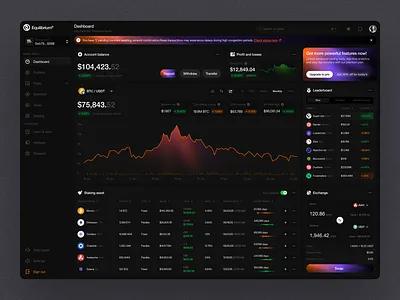
Integrating financial data APIs into your trading platform is essential for maintaining current market insights. Developers must ensure compatibility by carefully reviewing the API documentation for integration guidelines. Properly setting up WebSocket protocols allows for real-time data feeds, automatically updating users' dashboards with the latest market movements. By leveraging features such as market orders, candle data, and trade history, traders can enhance their platforms with comprehensive analytics and analytics.
Developing Trading Strategies Using API Data
Financial data APIs supply the foundational data required to develop robust trading strategies. Traders can utilize historical data to conduct backtesting, analyzing how a strategy would have performed under different market conditions. With access to real-time data, traders can fine-tune algorithms to adapt to market volatility, capitalize on technical indicators, and execute trade signals effectively. Utilizing API data allows for comprehensive analyses that encompass both technical and fundamental indicators.
Real-World Examples of Successful API Utilization
Numerous traders and institutions have successfully utilized financial data APIs to optimize their trading strategies. For instance, quantitative hedge funds often employ sophisticated algorithms driven by API data to execute trades within milliseconds of a market opportunity. Retail traders have also seen significant improvements through platform integrations that provide automated trading capabilities, allowing users to set specific buy and sell conditions based on real-time market movements. These success stories underline the importance of choosing the right API to meet your trading needs.
Security Considerations for Financial Data APIs
Protecting Your Data: Best Practices for API Security
The utilization of financial data APIs brings with it heightened security concerns. Developers should employ best practices to secure API endpoints, such as implementing OAuth 2.0 for secure data access. Encryption of sensitive data both in transit and at rest is paramount for protecting user information and preventing data breaches. Regular audits and employing rate limits can help prevent unauthorized access and ensure smooth functionality.
Common Threats and Prevention Techniques
Security threats targeting financial data APIs can originate from various vectors, including phishing attacks, distributed denial-of-service (DDoS) attacks, and SQL injection attempts. It’s important for companies using APIs to establish comprehensive security protocols to detect, mitigate, and respond to emergencies. Continuous monitoring for suspicious activities and using advanced firewalls can bolster security defenses, enhancing trust among users who depend on the reliability of your trading platform.
Regulatory Compliance in API Usage
Staying compliant with financial regulations is critical when operating in the fintech space. Regulatory bodies, such as the SEC and CFTC in the U.S., impose strict rules surrounding data management, reporting, and privacy. Companies must ensure their use of APIs aligns with General Data Protection Regulation (GDPR) for data protection and privacy. Being proactive in compliance helps maintain investor confidence and fosters a secure trading environment.
Future Trends in Financial Data APIs for 2026
Emerging Technologies: AI and Machine Learning Integration
The integration of AI and machine learning into financial data APIs is anticipated to grow substantially. These technologies can optimize the processing and interpretation of vast datasets, leading to more accurate forecasting models and enhanced analytics. As machine learning algorithms become more sophisticated, they will empower traders and institutions to develop more adaptive strategies to navigate changing market dynamics effectively.
Changes in Regulatory Environment and Their Impact
As financial markets evolve, regulatory frameworks will likely adapt in response to emerging technologies and trends. The introduction of frameworks like MiCA in the European Union marks a pivotal shift in how cryptocurrency and digital assets are handled. These regulatory changes may impact API developers who provide data services, particularly concerning compliance and operational practices to meet new legal requirements.
Adapting to the Evolving Financial Landscape
Financial market participants must remain vigilant as the landscape continues to change. Keeping abreast of technological advancements, regulatory updates, and competitor offerings ensures that your strategies and tools are relevant. APIs will serve as essential components in realizing these needs, enabling seamless integration and access to crucial financial data.
What are the best practices for using financial data APIs?
Best practices for utilizing financial data APIs include selecting reputable providers with solid uptime records, securing your access through encrypted connections, and employing rate limits to prevent overload. Understanding your data needs will help in choosing the right API features and functionality.
How do financial data APIs affect trading performance?
Financial data APIs positively affect trading performance by providing quick access to essential data, which helps traders make timely decisions. Reliable data sources also enhance algorithmic trading strategies, leading to improved trade execution rates and reduced operational risks.
What security measures should be taken when using financial APIs?
When using financial APIs, security measures should include ensuring data is encrypted, employing API access limitations, and regularly updating software to close vulnerabilities. Additionally, conducting routine audits of your API integrations can help maintain security integrity.
Are there free financial data API options available?
Yes, many financial data API providers offer free tiers with limited data access suitable for personal projects or initial development. These options can be valuable for developers looking to experiment with data integration before committing to a paid plan.
What are the most common API integrations for trading?
Common API integrations for trading platforms include data aggregation from multiple exchanges, integration of trading algorithms, and connections to payment processors for seamless transactions. Utilizing these API integrations enhances the overall functionality and user experience of trading applications.