Understanding the 18000 BTU Mini Split System
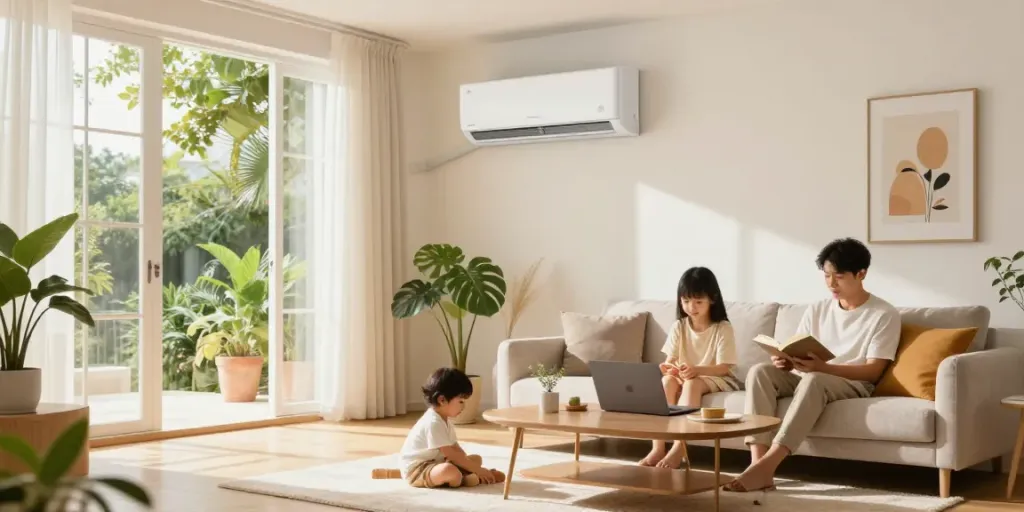
The 18000 BTU mini split system is an innovative heating and cooling solution designed to optimize climate control in various living spaces. Its versatility and energy efficiency make it a popular choice for homeowners looking to maintain comfort in larger rooms or open floor plans. With a capacity of 18,000 British Thermal Units, these units can cool or heat areas efficiently, providing a conducive environment regardless of the season. When exploring options, 18000 btu mini split systems offer reliable performance and advanced features that cater to diverse needs.
What is an 18000 BTU Mini Split?
An 18000 BTU mini split system is a type of ductless air conditioner that provides both heating and cooling capabilities. Unlike traditional HVAC systems that use ductwork to distribute air, mini splits consist of two main components: an indoor unit and an outdoor condenser. This design allows for easier installation and enhanced energy efficiency. The "BTU" measurement indicates the unit's cooling or heating capacity; specifically, 18,000 BTUs are suitable for spaces ranging from 600 to 1,000 square feet, depending on insulation and other environmental factors.
Key Features and Benefits of Mini Split Systems
- Energy Efficiency: Mini splits typically use inverter technology, which allows for variable speed operation, minimizing energy consumption while maintaining a consistent temperature.
- Zone Control: Homeowners can install multiple indoor units connected to a single outdoor unit, allowing for personalized climate control in different rooms.
- Quiet Operation: These systems operate more quietly than traditional air conditioning units, often making them ideal for bedrooms and living areas.
- Easy Installation: The absence of ductwork simplifies installation, often leading to lower costs and faster project timelines.
- Heating and Cooling: Most mini split systems come equipped with both heating and cooling functions, providing year-round comfort.
How to Choose the Right Model for Your Space
Selecting the ideal 18000 BTU mini split system involves considering multiple factors, including room size, insulation, and specific climate conditions. It's essential to evaluate the square footage of the area needing temperature control and assess whether it has adequate insulation. Additionally, take into account the height of the ceilings and the number of windows, as these can significantly impact performance. Consulting with HVAC professionals can provide insights into your specific needs and help you choose a model tailored for optimal efficiency.
Installation Considerations for Your Mini Split
Professional vs. DIY Installation: What to Know
When installing a mini split system, homeowners face a crucial decision: whether to hire a professional or tackle the installation themselves. While DIY installation can reduce upfront costs, it requires a good understanding of electrical systems and proper placement to ensure optimal performance. Professional installers bring expertise, which can prevent costly mistakes and ensure compliance with local regulations. It is often recommended to hire a qualified technician if you are unfamiliar with HVAC systems, as they can ensure the system is installed correctly and operates efficiently from the start.
Common Installation Mistakes to Avoid
- Poor Placement: The location of the indoor and outdoor units is crucial for efficiency. Avoid placing units in corners or behind furniture.
- Neglecting Insulation: Failing to insulate ductwork or piping can lead to energy loss and reduce the system's efficiency.
- Incorrect Sizing: Installing a unit that is too small or too large for the intended space can lead to inadequate heating or cooling, discomfort, and increased energy costs.
Planning for Efficient Placement in Your Home
To maximize the efficiency of your mini split system, consider the layout of your home. Indoor units should be installed in areas where airflow can easily circulate, ideally positioned on exterior walls for optimal cooling or heating. The outdoor unit should be placed in a shaded area to avoid overheating during summer months. Clear any debris or obstructions around both units to maintain airflow and ensure efficient performance.
Maximizing Efficiency and Performance
Optimal Temperature Settings for Comfort
Maintaining the right temperature settings can significantly impact energy efficiency and comfort. For cooling, setting the thermostat between 72°F and 78°F is typically recommended. During winter months, aim for a temperature around 68°F for heating. Adjusting temperatures by just a few degrees can lead to substantial savings on energy bills, particularly when coupled with a programmable thermostat that allows for scheduled temperature changes based on your routine.
Regular Maintenance Tips for Longevity
Routine maintenance is crucial for ensuring your 18000 BTU mini split functions efficiently over time. Here are several tips to consider:
- Clean the filters monthly to ensure optimal airflow and prevent dust accumulation.
- Inspect the outdoor unit regularly for debris, such as leaves or dirt, which can obstruct airflow.
- Schedule annual professional maintenance to check refrigerant levels and assess the overall condition of the system.
Seasonal Adjustments for Year-Round Use
As seasons change, so do the requirements of your mini split system. In the summer, ensure the outdoor unit has adequate airflow, while in winter, consider using a cover for the outdoor unit to protect it from snow and ice. Adjust thermostat settings to match seasonal changes and use programmable features to align heating and cooling with your lifestyle. These adjustments can enhance efficiency and comfort year-round.
Comparing Brands and Models of 18000 BTU Mini Splits
Popular Brands Reviewed: Features and Pricing
Several brands dominate the market for 18000 BTU mini split systems, each offering unique features and pricing structures. Some of the most reputable brands include:
- Mitsubishi: Known for their reliability and advanced technology, Mitsubishi offers a range of models suitable for various applications, often at a higher price point. They provide excellent warranties and customer service.
- Daikin: This brand is highly regarded for its energy-efficient models and innovative features, frequently recognized for leading environmental performance standards.
- Pioneer: Offering budget-friendly options without sacrificing quality, Pioneer mini splits are ideal for homeowners looking for reliable performance at a lower cost.
Which Brands Offer Best Energy Efficiency?
When it comes to energy efficiency, brands like LG, Daikin, and Mitsubishi often lead the pack, achieving high SEER (Seasonal Energy Efficiency Ratio) ratings. These ratings indicate how efficiently the systems operate, with higher numbers signifying greater efficiency. It is crucial for homeowners to look for models with ENERGY STAR certification, which guarantees that the system meets stringent energy efficiency standards.
User Experiences: What Customers are Saying
Customer reviews and testimonials can provide valuable insights into the performance and reliability of different 18000 BTU mini split models. Many users appreciate the quiet operation and ease of use associated with ductless systems. However, experiences may vary, particularly concerning installation costs and the need for professional assistance. Researching customer feedback can help potential buyers identify issues or advantages not highlighted in marketing materials.
Future Trends in Mini Split Technology
Innovations to Expect by 2026
The mini split HVAC sector is evolving rapidly, with technological advancements enhancing efficiency and user experience. Future innovations may include improved inverter technology for more precise temperature control, enhanced integration with smart home systems, and the use of eco-friendly refrigerants. These changes will likely focus on further reducing energy consumption while providing effective climate control.
Smart Technology Integration for Home Automation
As homes become smarter, mini split systems are increasingly compatible with home automation platforms. Features like Wi-Fi connectivity allow homeowners to control their heating and cooling remotely via smartphone apps, enabling adjustment of settings based on real-time data and personal preferences. This integration enhances convenience and comfort while fostering energy savings through intelligent usage patterns.
Environmental Considerations in New Models
Expect new models of mini split systems to increasingly prioritize sustainability. Advanced designs will incorporate low-GWP (Global Warming Potential) refrigerants and materials that minimize environmental impact. Additionally, new technologies may focus on reducing the overall carbon footprint of heating and cooling systems, aligning with global efforts to combat climate change.
What are the best maintenance practices for mini split systems?
Effective maintenance for mini split systems includes regular cleaning of filters and coils, checking refrigerant levels, and ensuring unobstructed airflow around both indoor and outdoor units. Homeowners should also be proactive in scheduling annual professional inspections to catch potential issues before they lead to costly repairs.
How energy-efficient is an 18000 BTU mini split compared to traditional systems?
18000 BTU mini split systems generally outperform traditional HVAC units in energy efficiency. Their inverter technology allows for variable operation, reducing energy consumption when the desired temperature is reached. This efficiency translates to lower energy costs over the system's lifespan compared to conventional systems that cycle on and off.
What size room can a mini split effectively cool?
Typically, an 18000 BTU mini split is capable of cooling or heating areas ranging from 600 to 1,000 square feet. However, it's essential to consider factors such as room insulation, ceiling height, and the presence of windows, as these can affect the unit's performance.
Can an 18000 BTU mini split work in extremely cold climates?
Many modern mini split systems are engineered to operate effectively in cold climates, often down to temperatures as low as -5°F. These systems utilize advanced heating technologies, ensuring reliable performance even in harsh winter conditions.
Are there any financing options available for purchasing mini splits?
Homeowners considering an 18000 BTU mini split system will find various financing options available, including payments plans through retailers or manufacturers. Some utility companies offer rebates for energy-efficient systems, making it more affordable to invest in high-quality climate control solutions.