Understanding CNC Machining: Basics and Benefits
CNC (Computer Numerical Control) machining is an advanced manufacturing process that translates digital designs into physical parts with remarkable precision. As a cnc machining parts manufacturer, understanding the fundamentals of this technology is crucial for anyone looking to harness its power in modern industrial applications. CNC machining utilizes computer software to control machine tools, enabling the production of complex shapes and intricate designs that would be nearly impossible to achieve through traditional machining methods.
What is CNC Machining?
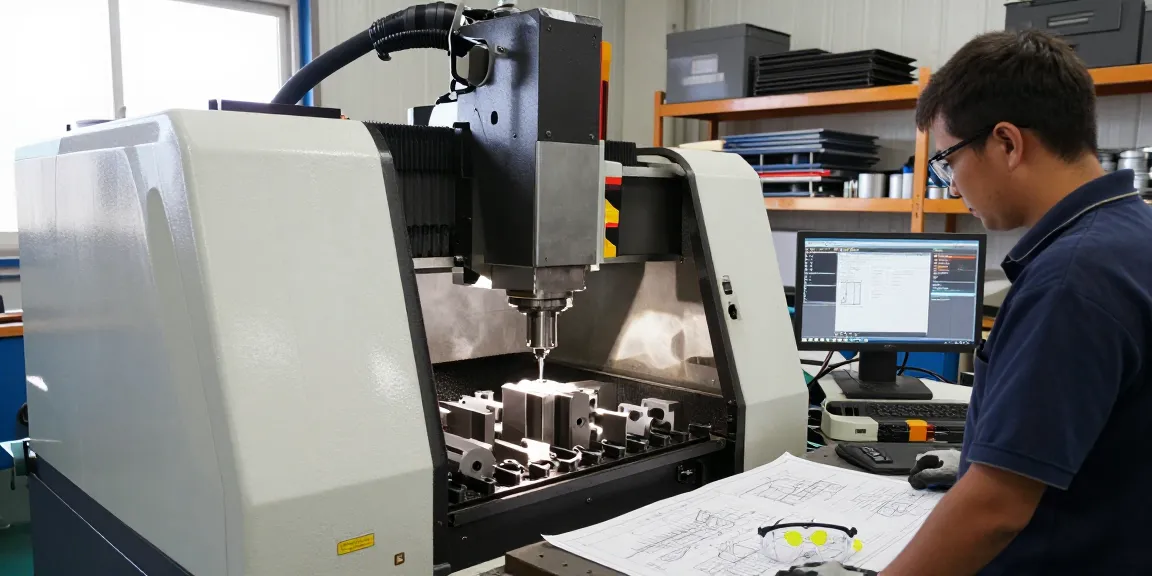
CNC machining is a subtractive manufacturing process where material is removed from a solid block, known as a workpiece, using various tools to create a desired shape. The process begins with a computer-aided design (CAD) file, which is then translated into G-code. This code instructs the CNC machine on how to move—what speeds to use, what paths to follow, and how deep to cut. Unlike manual machining, where operators control the tools directly, CNC machines operate autonomously, significantly increasing consistency and efficiency.
Advantages of CNC Machining Parts Manufacturing
- Precision and Accuracy: CNC machines offer superior precision compared to manual methods, ensuring tight tolerances and accurate reproductions of parts.
- Efficiency: Once programmed, CNC machines can continuously produce parts with minimal supervision, allowing for higher output rates.
- Complex Designs: CNC machining enables the creation of intricate designs and complex geometries that are difficult to achieve through traditional manufacturing methods.
- Material Versatility: CNC machining can work with a wide range of materials, including metals, plastics, and composites, making it adaptable to different industry needs.
- Reduced Waste: Since CNC machining is a subtractive process, it often results in less material waste compared to other manufacturing methods.
Key Industries Utilizing CNC Machined Parts
CNC machining is pivotal in several industries, including:
- Aerospace: Used for components requiring high precision and reliability.
- Automotive: Critical for manufacturing parts ranging from engine components to interior fittings.
- Electronics: Essential for producing housings and enclosures for various devices.
- Medical: Utilized for custom implants and surgical instruments that demand stringent quality standards.
- Consumer Goods: For manufacturing a wide array of products including kitchen appliances and furniture hardware.
Choosing the Right CNC Machining Parts Manufacturer
Finding the right CNC machining parts manufacturer can significantly impact the success of your project. With so many options available, it’s essential to consider various factors to ensure you select a manufacturer that meets your specific needs.
Factors to Consider When Selecting a Manufacturer
- Experience: Investigate how long the manufacturer has been in business and their expertise in your specific industry.
- Capabilities: Assess whether they have the machinery and technology to produce the parts you need.
- Reputation: Look for reviews and testimonials from previous clients to gauge their reliability and quality.
- Location: While many CNC machining services are available online, local manufacturers can save you time and shipping costs.
- Customer Support: Effective communication and support can enhance your overall experience and ensure your project stays on track.
Evaluating Manufacturer Capabilities and Certifications
Before committing to a CNC machining parts manufacturer, obtain detailed information about their technological capabilities. This includes the types of CNC machines they operate, their software proficiency, and their ability to produce specific tolerances. Additionally, certifications such as ISO 9001 demonstrate a commitment to quality management systems that is essential for maintaining high standards within your production processes.
Cost Considerations and Budgeting for CNC Parts
Cost considerations will vary greatly based on the complexity of the parts, the materials used, and the production volume. When budgeting, make sure to account for potential additional costs such as tooling, setup fees, and shipping. It’s advisable to obtain several quotes from different manufacturers to compare pricing and ensure that you get the best value for your investment.
Designing CNC Machined Parts: Best Practices
A well-designed part can make a significant difference in the ease of manufacturing and overall costs. By following best practices in the design phase, you can streamline production and avoid common pitfalls.
Essential Design Guidelines for CNC Machining
- Keep It Simple: Avoid overly complex designs that can increase costs and manufacturing time. Simplicity often leads to efficiency.
- Minimize Tool Changes: Design parts that require fewer tool changes to enhance manufacturing speed.
- Design for Material: Consider the properties of the material you are working with to ensure that your design is feasible for machining.
- Account for Tolerances: Be mindful of the tolerances required for your design, ensuring that they align with the capabilities of the CNC machine.
- Include Draft Angles: Adding draft angles can facilitate easier removal from molds and improve the quality of surface finishes.
Utilizing CAD Software for Efficient Design
Computer-Aided Design (CAD) software is an essential tool in the design phase of CNC machining. It allows engineers to create detailed 3D models of parts, which can be easily modified and tested for fit and function. Using CAD also simplifies the transition from design to manufacturing, as most CNC machines accept CAD files directly.
Common Mistakes to Avoid in CNC Part Design
Some common design mistakes to avoid include:
- Overcomplicated Designs: Complexity can lead to increased costs and production times.
- Ignoring Tolerances: Designing parts without specifying tolerances can result in unusable components.
- Not Considering Assembly: Designs should take into account the ease of assembly and any additional components that may interact with the machined part.
- Neglecting Material Properties: Failing to consider how different materials respond to machining can lead to unexpected issues during production.
Production Process: From Concept to Completion
Understanding the CNC machining process is vital for those looking to produce high-quality parts. This process typically involves several key steps that transform a concept into a physical product.
Step-by-Step Overview of the CNC Machining Process
- Design: Create a detailed CAD model of the part.
- Generate G-Code: Convert the CAD model into a G-code format that the CNC machine can interpret.
- Material Selection: Choose the appropriate material for the part based on its intended use.
- Setup: Prepare the CNC machine, including attaching the workpiece and selecting the necessary tools.
- Machining: Execute the CNC program to perform the machining operations.
- Finishing: Apply surface finishing techniques if necessary, such as sanding or coating.
- Inspection: Conduct quality checks to ensure that the finished part meets specified tolerances and standards.
Best Practices for Quality Control in Manufacturing
Quality control is an integral part of the CNC machining process. To ensure the highest quality, manufacturers should implement the following practices:
- Regular Calibration: Keep machines well-calibrated to maintain accuracy over time.
- Inspect During Production: Conduct inspections at various stages of production to catch any issues early.
- Utilize Advanced Inspection Tools: Employ tools such as CMMs (coordinate measuring machines) for detailed inspection of parts.
- Maintain Clear Documentation: Keep detailed logs of production processes and inspections to track quality over time.
Case Studies: Successful CNC Machined Parts Projects
Several companies have successfully employed CNC machining to enhance their production capabilities:
- Case Study 1: An automotive parts manufacturer reduced production time by 30% by transitioning from manual machining to CNC machining, leading to faster product launches.
- Case Study 2: A medical device company utilized CNC machining to produce custom implants that required strict adherence to tolerances, significantly improving patient outcomes.
- Case Study 3: An aerospace manufacturer achieved better weight savings in their components by utilizing intricate CNC designs, contributing to overall fuel efficiency improvements.
Future Trends in CNC Machining Parts Manufacturing
As technology evolves, the CNC machining industry continues to adapt and innovate, leading to exciting trends that can impact manufacturers and consumers alike.
Technological Advances Shaping the Industry
Technological advancements are continuously reshaping CNC machining. Innovations such as:
- 5-Axis Machining: This technology allows for more complex geometries and reduces setup time.
- Automation: Incorporating robotics and AI can enhance efficiency and reduce costs significantly.
- Cloud Computing: Enabling design files and machining data to be shared seamlessly among teams, improving collaboration.
- Additive Manufacturing Integration: Combining CNC machining with 3D printing for hybrid manufacturing solutions that expand design possibilities.
Environmental Considerations and Sustainable Practices
With growing awareness of environmental concerns, CNC machining manufacturers are adopting sustainable practices, including:
- Waste Reduction: Implementing strategies to minimize material waste during production.
- Recycling: Using recycled materials and promoting the recycling of scrap metal and other by-products.
- Energy Efficiency: Upgrading equipment to more energy-efficient models reduces overall carbon footprints.
Preparing for Industry Changes in 2026 and Beyond
The CNC machining industry is poised for significant transformations as new technologies emerge. Staying informed and adaptable will be crucial for manufacturers aiming to remain competitive in this ever-evolving landscape.
What are the benefits of CNC machining?
CNC machining provides numerous advantages, including improved precision, reduced waste, and the ability to produce complex components efficiently. These benefits make it an attractive option for manufacturers across various industries.
How do I choose a CNC parts manufacturer?
When selecting a CNC parts manufacturer, consider their experience, capabilities, reputation, and customer service. Obtaining multiple quotes and reviewing their previous work can also provide insights into their reliability.
What are common materials used in CNC machining?
CNC machining can work with a wide range of materials, including metals (aluminum, stainless steel, titanium), plastics (acrylic, nylon), and composites, allowing for versatile applications across industries.
How long does the CNC machining process take?
The duration of the CNC machining process can vary based on several factors, including the complexity of the part, the material being used, and the production volume. Rapid prototyping can take as little as a few hours, while large-scale production may take several days.
What should I look for in a CNC part design?
When designing a CNC part, focus on simplicity, appropriate material selection, tolerances, and manufacturability. Utilizing CAD software to visualize and revise designs can also greatly improve the efficiency of the design phase.