
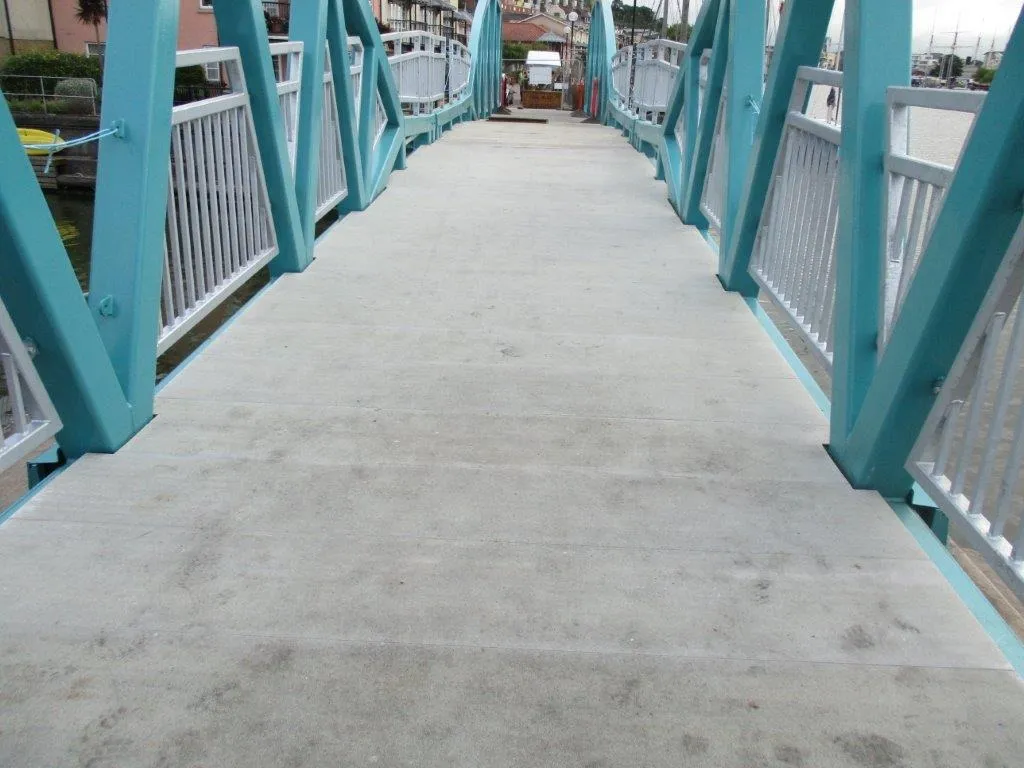
Glass fibre and polymer resin join under factory conditions. The result is a durable composite for industrial use. A GRP Manufacturer creates panels, sections and platforms for site work. Metals often fail under moisture or chemical exposure. This material resists both. Weight stays low for easy handling. Strength holds under repeated loads. No electrical current passes through the finished part. Specifiers choose it for safety and long service. Process accuracy decides long-term results. Engineered Composites works as a GRP Manufacturer with extensive production history.
Factory Forming Sequences
Glass strands supply the primary tensile capacity. Resin fills voids and locks the fibres. Continuous drawing through a heated die produces accurate profiles. The die fixes exact dimensions. Larger panels form inside open moulds. Fibre mats are placed first. Resin spreads and saturates the layers. Heat or time completes the cure. Fibre orientation controls force paths. Resin quantity follows design needs. Finished items undergo size and strength checks. A precise GRP Manufacturer applies these sequences to every run.
Performance Against Environmental Stress
Outer surfaces remain free of rust in marine air. Chemical exposure causes only limited change. Weight measures about one quarter of comparable steel. Site crews place sections without major lifting gear. Impacts create short flex then recovery. Fire-rated grades limit flame travel in buildings. Weather leaves the exterior stable for years. Simple washing preserves the working face. Managers record fewer repair visits. These traits lower total ownership cost over the service period.
Key Installation Locations
Rail routes fit walkways and edge barriers. Power compounds install fencing free of conductivity. Water plants use platforms that resist chemical splash. Marine docks select decking that tolerates salt. Temporary works rely on frames that relocate easily. Data centres prefer non-metallic cable supports. Security perimeters take solid panels needing little care. Each location gains longer intervals between attention. Engineered Composites acts as GRP Manufacturer across these fields. Non-standard sizes and finishes supply when stock ranges fall short.
Compliance and Verification Steps
British standards set minimum structural values. Floor systems must prove grip under wet conditions. Production follows ISO quality systems. Rail contracts require RISQS clearance. Defence supply passes JOSCAR checks. Every batch links to the fibre and resin lots used. Independent labs confirm the reported numbers. Regular audits keep records open and current. These layers protect the final client. A reliable GRP Manufacturer retains complete documentation.
Criteria for Supplier Choice
Extended production history signals practical skill. Direct process ownership tightens quality control. Broad stock holdings shorten delivery times. Capacity for special shapes meets complex site needs. Clear technical notes match grades to load and place. Valid certificates remove design uncertainty. National delivery runs on fixed schedules. After-delivery contact resolves fitting questions fast. Engineered Composites meets these criteria as an active GRP Manufacturer. Consistent outcomes generate repeat orders.
Financial Outcomes Over Time
First cost often aligns with coated steel prices. Site labour drops because of lower weight. Crane hire becomes uncommon. Painting and corrosion work leave yearly budgets. Service life commonly exceeds fifty years. Transport fuel use falls with lighter loads. Unplanned repairs grow rare. Total spend declines by a clear margin across the full period. Coastal and process managers see the largest difference. A practical GRP Manufacturer supports the figures with data from earlier projects.
Efficiency and Resource Benefits
Reduced freight weight cuts fuel burned during transport. Extended life lowers replacement demand. No coatings enter soil or water systems. Recovery options for used parts continue to expand. Full carbon comparisons often favour the composite. Continuous production keeps energy demand efficient. Scrap receives sorted handling. Clients meet environmental targets with less extra effort. Engineered Composites builds these practices into normal operations. Future rules will recognise materials that already show this profile.
Final Thoughts
The GRP Manufacturer selected shapes project results for decades. Fibre layout and resin chemistry set actual capacity. Certificates reduce later risk. Lifetime cost figures show the true economic gain. Sites facing corrosion or electrical hazard gain the strongest return. Accurate early advice prevents unsuitable choices. Steady production control sustains quality. Demand for durable low-care components continues to rise. A proven GRP Manufacturer supplies parts that protect safety records and budgets. Engineered Composites keeps that aim central to every supply.
FAQs
What identifies a capable GRP Manufacturer?
Direct production under certified systems and sector approvals forms the foundation. Full material tracking supplies clear quality evidence. Practical notes on grades and installation complete the service.
How does GRP outperform steel in severe conditions?
The material resists rust and chemical damage while remaining much lighter. No electricity conducts through the structure. Care needs stay low across long service years.
Which industries generate the highest demand for a GRP Manufacturer?
Rail, power, water treatment, marine and construction form the primary volume. Chemical and coastal sites avoid repeated metal failures. Secure and data facilities also adopt the material for safety performance.